

It Should Be Harder to Become a Mortgage Broker
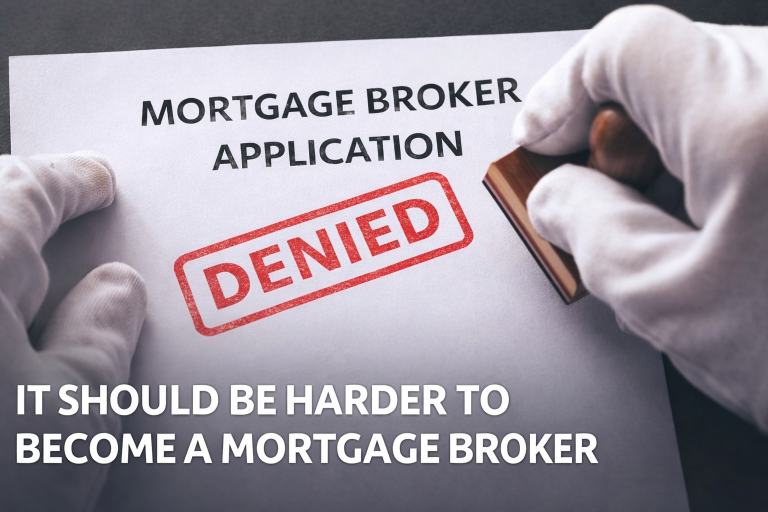
A perspective on broker standards, leadership, and protecting the credibility of the channel.
The broker vs. IMB debate isn’t going anywhere.
Independent Mortgage Banks argue they carry the weight of compliance, infrastructure, and oversight.
Brokers argue they win on efficiency, flexibility, and pricing.
The truth is, both sides are right.
Brokers often deliver better pricing because they operate lean. Fewer fixed costs. No servicing portfolios. Less overhead. That efficiency benefits consumers, and it’s a real strength of the broker model.
But there’s another truth we don’t talk about enough.
The Broker Model Isn’t Broken. The Barrier to Entry Is.
IMBs operate under heavy oversight. Audits. Compliance teams.
Guardrails that are expensive, but intentional.
In contrast, broker oversight is inconsistent. Fragmented. And in some cases, barely enforced.
There is no unified standard that says:
“You must clear this bar before you can open a brokerage and call yourself the principal.”
That gap isn’t just procedural.
It’s a reputational risk for the entire broker channel.
When Lower Barriers Become a Liability
Today, it’s often easier than it should be to become the head of a brokerage.
A loan officer with limited experience can open a shop, get approved by a wholesale lender, and immediately become responsible for compliance, consumers, and file quality — even if they’ve never truly owned a loan from first conversation to post-closing reconciliation.
When I became a broker, there were real barriers:
- Proven experience
- A deep understanding of assets, credit, and guidelines
- Financial qualifications
- A track record of production.
Those weren’t arbitrary hurdles.
They were protections.
If you value long-term thinking over hot takes, you can subscribe here.
This Isn’t About Attacking Wholesale Lenders
I sell to wholesale lenders.
I respect wholesale lenders.
This isn’t about calling out any one bank or executive.
But I do believe lenders should be more thoughtful about who they approve as stand-alone broker-owners.
That’s not anti-growth.
That’s pro-channel.
A Conversation That Framed This for Me
Years ago, I debated this exact topic with Matt Ishbia during the rapid expansion of the broker channel.
His goal was clear: make it easier for loan officers — especially those coming from IMBs — to transition into brokering. More access. More growth.
My concern was different.
If everyone can become a broker overnight, then no one really has to earn the title. You dilute the broker brand, weaken consumer trust, and create an uneven playing field between disciplined shops and short-term operators.
When he asked me, “What should we do instead?” my answer was simple then — and it hasn’t changed.
Guardrails, Not Gatekeeping
Don’t block people from entering the broker channel.
But don’t leave them on an island either.
New brokers should:
- Operate under experienced brokerages
- Learn within real systems
- Be supervised before being independent
- Build competence before authority
That’s not gatekeeping.
That’s professionalization.
It’s how every other serious profession manages risk.
Why This Matters Now
Every poorly run brokerage:
- Creates consumer harm
- Invites scrutiny
- Leads to overlays
- Weakens trust for everyone else
Lowering standards doesn’t empower brokers.
It weakens the model.
The broker channel is at its best when experienced professionals build platforms that others can grow under — with real training, controls, and accountability.
Final Thought
I’m a broker.
I believe deeply in the broker model.
And that’s exactly why I believe it should be harder to become one.
The future of the broker channel isn’t about making it easier to enter.
It’s about making it harder to do wrong.
Dino Katsiametis
CEO, Ethos Lending